
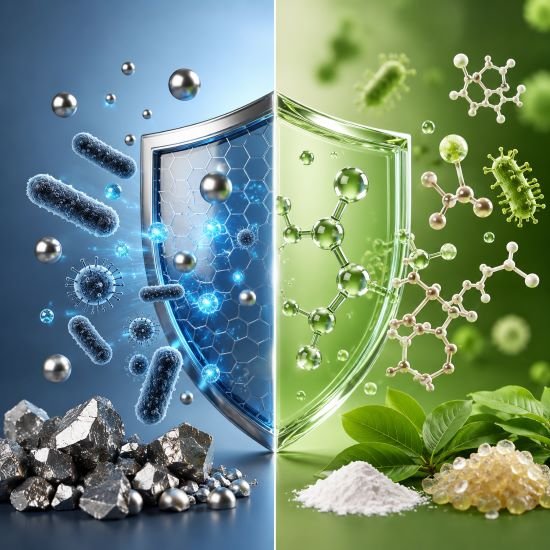
-300x210.jpg)
Inorganic vs. Organic: Which Antimicrobial Agent Is Right for Your Durable Application?
Products affected by microbes can lead to quality issues, customer complaints, and unexpected costs. Choosing the right antimicrobial technology helps protect products and brand value.
For durable applications such as plastics, coatings, and consumer products, inorganic antimicrobial agents like silver and zinc-based technologies are often preferred because they provide stable performance, excellent heat resistance, and long-lasting protection.
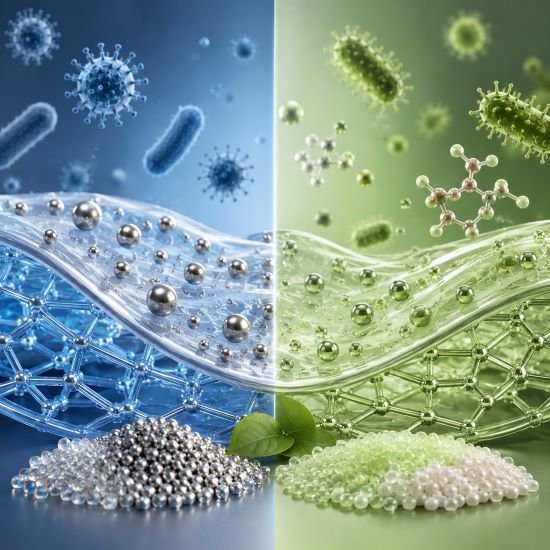
The choice between inorganic and organic antimicrobial agents is not always simple. Different materials and applications require different solutions. As a functional materials manufacturer, we have seen that successful antimicrobial protection depends on more than microbial reduction. It also depends on stability, compatibility, and long-term performance. In this article, I will explain the key differences between these technologies and how manufacturers can choose the right antimicrobial solution for their products.
What Are the Key Differences Between Inorganic and Organic Antimicrobial Agents?
Many manufacturers know they need antimicrobial protection, but they are often unsure which type of agent fits their products. Understanding the basic differences can help avoid performance problems during production and use.
Inorganic antimicrobial agents are mainly based on mineral elements or compounds, such as silver, zinc, and copper technologies. Organic antimicrobial agents are carbon-based compounds, including certain biocides and preservatives.
Their different chemical structures create different levels of stability, release behavior, and application performance.
From our experience working with functional materials, one of the biggest differences is durability. Many industrial products need antimicrobial performance that can remain effective after processing and during long-term use.
Why Does Durability Matter in Antimicrobial Applications?
Inorganic antimicrobial agents are widely used in applications that require long service life. Their mineral-based structures usually provide strong resistance to heat and environmental stress.
For example, plastic products often go through high-temperature processing such as extrusion and injection molding. A suitable antimicrobial additive needs to maintain its performance during these manufacturing steps.
Organic antimicrobial agents can also provide effective microbial control, especially when fast action is needed. However, their performance may be more affected by temperature, UV exposure, and application conditions.
| Feature | Inorganic Antimicrobial Agents | Organic Antimicrobial Agents |
|---|---|---|
| Main Components | Silver, zinc, copper-based technologies | Carbon-based compounds |
| Heat Stability | Usually high for many industrial processes | Depends on chemical structure |
| Protection Duration | Designed for long-term material protection | Depends on application conditions |
| Common Uses | Plastics, coatings, healthcare products, consumer goods | Specific antimicrobial applications |
At Langyi, we focus on developing functional additive solutions that help manufacturers improve material performance.
Our Silver Antimicrobial Agents and Zinc Antimicrobial Agents are designed for customers looking for stable and reliable antimicrobial performance.
How Do Antimicrobial Mechanisms Protect Modern Products?
Understanding how antimicrobial agents work helps manufacturers choose the right technology for their materials.
Inorganic antimicrobial technologies often work through controlled ion release. Active ions interact with microbial cells and affect important biological functions. This may include damaging cell structures, affecting enzyme activity, and reducing microbial growth.
We believe the mechanism behind an antimicrobial solution is just as important as the final test result. A good antimicrobial additive should work together with the material instead of changing its original properties.
The Multi-Target Protection of Inorganic Antimicrobials
Silver-based antimicrobial technology is a good example of a multi-target approach.
When silver ions are gradually released, they can interact with different parts of microbial cells. They may affect the cell membrane, interfere with essential proteins, and influence microbial activity.
Because multiple biological processes can be affected, this technology provides a reliable way to support long-term protection.
This is why inorganic antimicrobial agents are often selected for products where durability and continuous protection are important.
Where Are Antimicrobial Additives Used?
Today, antimicrobial additives are used in many industries, including:
- Plastic products that require cleaner and more hygienic surfaces
- Coatings that need additional microbial protection
- Healthcare-related materials where hygiene performance matters
- Consumer products designed for daily contact and long-term use
For manufacturers, the goal is not only to add antimicrobial properties. The goal is to create products that perform better throughout their service life.
Langyi provides customized functional additive solutions based on different material systems and application requirements.
How Do You Choose a Reliable Antimicrobial Additive for Plastics and Coatings?
Selecting an antimicrobial additive requires more than comparing antimicrobial performance. A successful solution needs to match the material, manufacturing process, and final application.
The right additive should provide reliable protection while maintaining the original properties of the product.
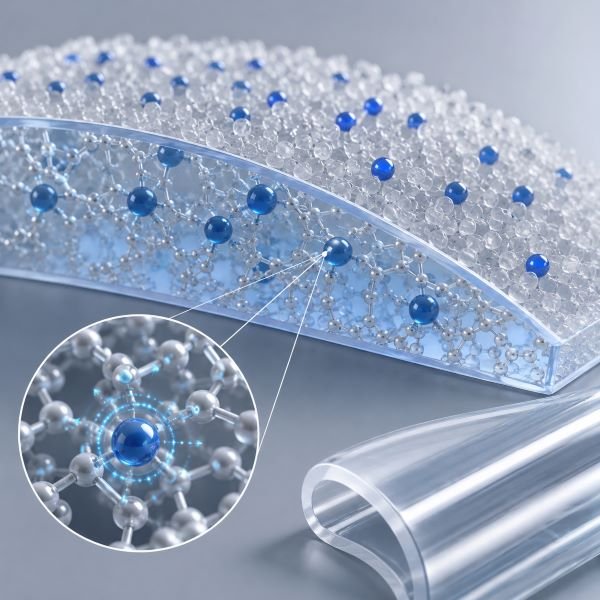
At Langyi, we believe every material challenge needs a practical solution. Our team provides functional additive recommendations based on customer requirements, including processing conditions, application goals, and expected performance.
What Should Manufacturers Consider Before Choosing an Antimicrobial Solution?
When evaluating antimicrobial additives, manufacturers should focus on several key points:
Material Compatibility
The additive should work well with the base material and maintain product quality.
Processing Stability
The antimicrobial function should remain effective after manufacturing processes such as heating and molding.
Long-Term Performance
The protection should support the expected service life of the final product.
Technical Support
A reliable supplier should provide professional guidance and help customers achieve better application results.
For plastic and coating manufacturers, our Antimicrobial Additives provide options for creating cleaner, safer, and more durable products.
Langyi was founded by Dr. Tang, a material scientist graduated from Tsinghua University. Our team focuses on functional additives and shares our expertise to help customers improve their materials.
Conclusion
Choosing the right antimicrobial technology helps manufacturers create safer, more durable, and longer-lasting products.