
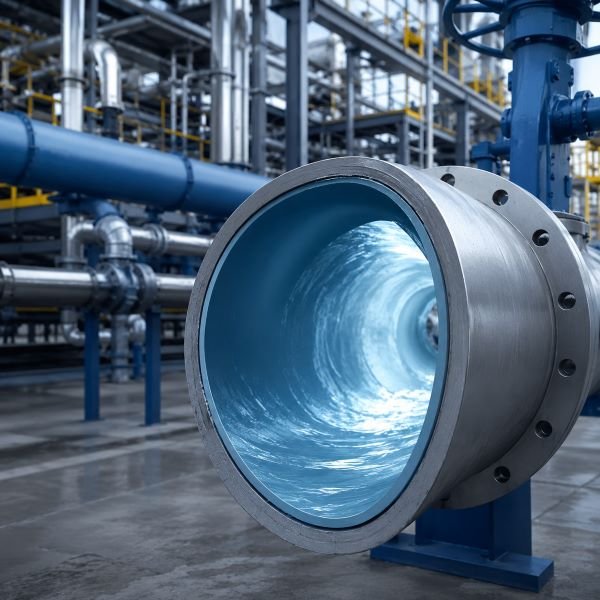
Fighting Biofilm in Industrial Pipes: How Inorganic Antimicrobial Additives Enable Long-Term Protection?
Are hidden microbes affecting your industrial piping systems? Biofilm can quietly build up inside pipes, reducing efficiency, increasing maintenance needs, and creating long-term operational risks.
Inorganic antimicrobial additives provide a proactive approach by adding antimicrobial functionality directly into materials. They help reduce microbial attachment, control biofilm formation, and support cleaner, more reliable industrial systems.
The future of industrial hygiene is not only about removing biofilm, but preventing its formation with intelligent antimicrobial materials.
We have always believed that the best solutions often start from the material itself. Many industries still rely on repeated cleaning, chemical treatment, and maintenance to manage microbial problems. These methods can help, but they often address the visible problem rather than the root cause.
Biofilm is a hidden challenge. It develops slowly and can remain unnoticed until it affects system performance. By designing materials with antimicrobial functions from the beginning, we can create a more stable and efficient way to manage microbial risks.
Why Does Biofilm Form in Industrial Piping Systems and Create Hidden Risks?
You clean your pipes regularly, but microbial problems keep returning. Why does this happen?
Biofilm forms when microorganisms attach to a surface and create a protective layer that allows them to survive and grow. Inside industrial pipes, this layer can become a hidden source of contamination, reduced flow, and material damage.
. This natural protective layer helps them stay attached and makes removal more difficult.
Over time, mature biofilm can create several problems:
-
Reduced system efficiency
Biofilm buildup can narrow the internal space of pipes and increase resistance, which may affect flow performance. -
Higher maintenance requirements
Frequent cleaning and chemical treatments can increase downtime and operating costs. -
Product quality risks
In industries such as food processing, water treatment, and healthcare, microbial contamination can affect safety standards. -
Material performance concerns
Long-term microbial activity may influence surfaces, coatings, and polymer components.
The challenge is clear: removing existing biofilm is difficult, but preventing early microbial attachment creates a more effective strategy.
This is why more manufacturers are exploring antimicrobial materials as part of their product design.
How Do Inorganic Antimicrobial Additives Prevent Microbial Growth and Protect Pipe Materials?
Traditional cleaning methods mainly react after biofilm appears. But what if materials could help prevent microbial growth from the beginning?
Inorganic antimicrobial additives are incorporated into materials during manufacturing. They provide antimicrobial functionality to polymer systems and help create surfaces that are less favorable for microbial growth.
![protecting](https://antimicrobialadditive.com/wp-content/uploads/2026/06/protecting.jpg
At Langyi, we focus on developing [functional additive](https://antimicrobialadditive.com/product/ solutions that help manufacturers improve their materials. We believe antimicrobial protection should not be an additional step after production. It should become part of the material design.
[Inorganic antimicrobial technology](https://antimicrobialadditive.com/qa/ usually works through interactions between active inorganic components and microorganisms on the material surface.
Depending on the formulation, antimicrobial additives may help:
- reduce microbial attachment
- limit microbial reproduction
- slow biofilm development
- improve surface hygiene performance
The key advantage is long-term material-based protection. Unlike temporary surface treatments, antimicrobial additives are designed to remain within the material structure and provide continuous support throughout product use.
However, selecting the right additive is important. Every polymer system has different requirements.
Factors such as:
- processing temperature
- polymer type
- application environment
- required antimicrobial performance
all influence the final solution.
At Langyi, we work with customers to understand these conditions and provide suitable functional additive recommendations.
Our goal is not only to supply additives, but to help customers create better materials.
Building Safer Industrial Systems with Long-Lasting Antimicrobial Protection Solutions?
Modern industries need more than temporary solutions. They need materials that support cleaner, safer, and more reliable systems over time.
By integrating antimicrobial additives into industrial components, manufacturers can build protection directly into their products.
As a functional additives manufacturer, I believe material innovation is the foundation of future industrial development.
Langyi was founded by Dr. Tang, a material scientist graduated from Tsinghua University. Our team focuses on providing functional additive solutions and technical suggestions to help customers improve their materials.
We see antimicrobial additives as an important part of this trend.
Instead of depending only on repeated cleaning cycles, industries can create materials with added protection functions.
Potential applications include:
- plastic pipes and fittings
- water-related systems
- industrial equipment components
- polymer products requiring improved hygiene performance
The implementation process usually begins with understanding the application environment.
We first study the customer's material system and challenges. Then we recommend suitable additive solutions based on compatibility and performance requirements.
A successful antimicrobial material solution needs balance. It should provide antimicrobial performance while maintaining the original properties of the material.
This includes:
- mechanical strength
- processing stability
- appearance
- durability
That is why customized solutions are important.
Every industry has different needs, and every material system has its own challenges.
At Langyi, our mission is to become a hidden champion of the segment industry with our professionalism. We continue to use our material expertise to help customers develop safer and more functional products.
Conclusion
Preventing biofilm is the next step in industrial hygiene. Inorganic antimicrobial additives help create cleaner, safer, and more reliable material solutions.