
How Antimicrobial Additives Enhance Reusable Water Bottles and Drinkware for Long-Lasting Hygiene?
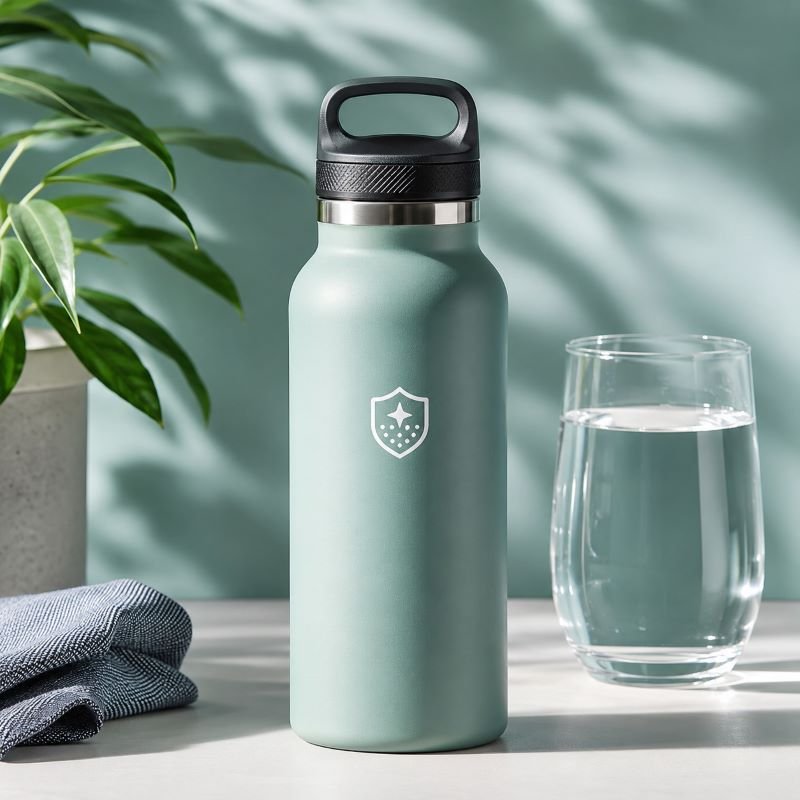
Your reusable water bottle smells unpleasant, even after a thorough wash. It is frustrating, and it makes you wonder whether it is really as clean as it looks. The answer often lies in the material itself.
Antimicrobial additives are incorporated directly into plastic during manufacturing. They help inhibit the growth of bacteria and mold on the product surface, reducing odor buildup and supporting long-lasting hygiene throughout the product's service life.
As reusable drinkware becomes an everyday essential, built-in antimicrobial protection is emerging as a smarter way to support long-term hygiene and product value.
I have always preferred reusable products over disposable ones. They are better for the environment, and they simply fit today's lifestyle. At the same time, working in the functional materials industry has taught me something many consumers never think about. A reusable bottle spends every day exposed to moisture, changing temperatures, and frequent handling. These conditions also create opportunities for microorganisms to grow. Cleaning is important, but it is only part of the solution. Today, material innovation is helping manufacturers design reusable drinkware that stays fresher between washes while maintaining the appearance and durability consumers expect.
Why Do Reusable Water Bottles and Drinkware Develop Odors and Bacteria?
Your bottle may look clean after washing, yet unpleasant odors often return quickly. This happens because microorganisms can easily find favorable conditions inside reusable drinkware.
Reusable water bottles develop odors because moisture, beverage residue, and repeated daily use encourage bacteria and mold to grow. Over time, microorganisms can accumulate on surfaces and contribute to unpleasant smells and reduced product hygiene.
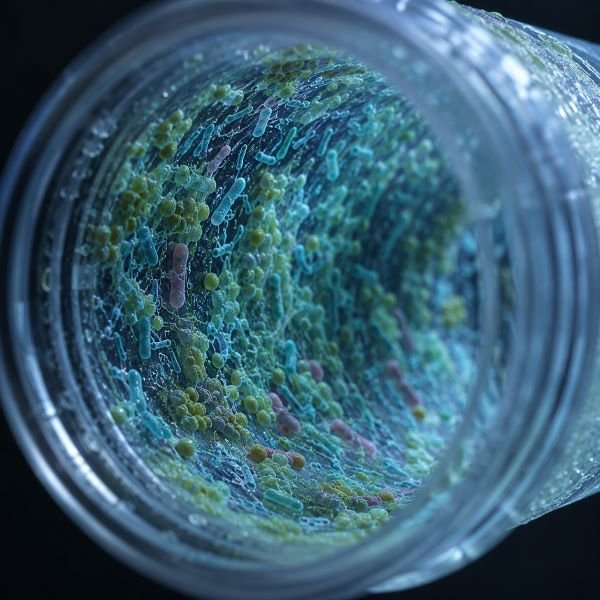
Many people blamed themselves when their reusable bottle developed an unpleasant smell. They believed they simply were not cleaning it well enough. The reality is more complicated. Even with good cleaning habits, reusable drinkware experiences repeated exposure to water, hands, backpacks, gym bags, and different beverages every single day. These everyday conditions naturally increase the opportunity for microorganisms to settle on the surface.
One of the biggest contributors is beverage residue. Water leaves very little behind, but coffee, tea, juice, protein shakes, milk, and sports drinks contain organic substances that microorganisms can use as nutrients. Small amounts often remain around bottle threads, silicone seals, lids, and drinking spouts where complete cleaning is more difficult.
Another important factor is moisture. Even after washing, tiny droplets often remain trapped inside narrow openings or under sealing components. Warm temperatures during commuting, outdoor activities, or gym sessions can further support microbial growth. Over time, this combination of moisture and nutrients may allow microorganisms to establish communities commonly known as biofilms. Once biofilms begin forming, ordinary rinsing becomes much less effective.
For manufacturers, this presents an opportunity rather than simply a challenge. Consumers increasingly expect reusable products to deliver both sustainability and hygiene. They want products that remain fresh after months or even years of daily use, not only on the first day they purchase them.
The material itself therefore becomes an important part of the hygiene strategy.
| Common Cause | Why It Matters |
|---|---|
| Moisture trapped inside lids and seals | Supports microbial survival and growth |
| Beverage residue | Provides nutrients for bacteria and mold |
| Frequent hand contact | Introduces new microorganisms during daily use |
| Warm environments | Accelerates microbial activity |
| Difficult-to-clean bottle structures | Increases the chance of microbial accumulation |
Simply washing a reusable bottle removes many contaminants, but it cannot permanently prevent microorganisms from returning. This is why many premium drinkware brands are now looking beyond cleaning instructions and focusing on material innovation during product development.
How Do Antimicrobial Additives Provide Long-Lasting Protection in Plastic Drinkware?
Regular cleaning removes contamination that is already present. Antimicrobial technology helps reduce the opportunity for microorganisms to grow between cleaning cycles.
Antimicrobial additives are blended directly into plastic during manufacturing. They help inhibit microbial growth on the product surface, supporting cleaner, fresher reusable drinkware without relying on temporary surface coatings.
When our team works with drinkware manufacturers, one question comes up repeatedly.
"Can we build hygiene into the material instead of depending only on user cleaning?"
The answer is yes.
Unlike surface sprays or post-treatment coatings, antimicrobial additives become part of the polymer during compounding or injection molding. This means the antimicrobial function is integrated throughout the material instead of sitting only on the outer surface. Because the technology is built into the plastic itself, it is better suited for products that experience repeated washing and long service lives.
Among available technologies, inorganic silver-based antimicrobial additives have become one of the most widely adopted solutions for reusable plastic products. Rather than creating a temporary disinfecting effect, they are designed to help inhibit the growth of bacteria on treated surfaces over time. This contributes to cleaner-looking products, reduced odor development, and improved durability by limiting microbial activity that may affect the material surface.
This approach is particularly valuable for reusable water bottles, sports bottles, travel mugs, children's drinkware, and insulated tumblers that are handled frequently throughout the day.
At Langyi, we have focused on antimicrobial material technology for years. Our AntibacMax® Silver Antimicrobial Additives are engineered specifically for polymer applications, offering manufacturers a practical way to integrate long-lasting antimicrobial performance without significantly changing existing production processes.
Our solutions are compatible with many commonly used plastics, including:
- PP (Polypropylene)
- PE (Polyethylene)
- ABS
- PC (Polycarbonate)
- Other engineering plastics
More importantly, they are designed to maintain processing stability, color consistency, and mechanical properties while supporting durable antimicrobial performance.
Building antimicrobial functionality into the material also gives manufacturers greater flexibility during product development. Instead of adding an extra coating step after molding, the additive is incorporated during normal production. This helps simplify manufacturing while providing consistent protection throughout the product's service life.
| Feature | Surface Coating | Built-in Antimicrobial Additive |
|---|---|---|
| Protection mechanism | Applied after manufacturing | Integrated into the polymer during manufacturing |
| Durability | May wear over time | Long-lasting throughout the product |
| Processing | Requires an additional step | Compatible with existing plastic processing |
| Appearance | May change after repeated use | Maintains the product's original appearance |
| Typical applications | Short-term surface protection | Reusable bottles, drinkware, food-contact plastics* |
Material selection and regulatory compliance should always be evaluated according to the target market and intended end use.
Why Choose Langyi AntibacMax® Silver Antimicrobial Additives?
Choosing the right antimicrobial additive is about more than antibacterial performance. Manufacturers also need a solution that fits their materials, production process, regulatory requirements, and product positioning.
At Langyi, we develop AntibacMax® Silver Antimicrobial Additives to help plastic manufacturers create cleaner, longer-lasting consumer products without compromising manufacturing efficiency.
Key Advantages
- Broad-spectrum antimicrobial protection against bacteria and mold on treated surfaces
- Excellent compatibility with PP, PE, ABS, PC, Tritan™ and many engineering plastics
- High thermal stability for injection molding, extrusion, and compounding
- Long-lasting built-in protection that does not rely on surface coatings
- Minimal impact on product appearance and mechanical properties
- Suitable for reusable water bottles, tumblers, sports bottles, travel mugs, children's drinkware, kitchenware, and other consumer products
Whether you are developing a premium reusable bottle or expanding an existing drinkware product line, our technical team works closely with manufacturers to recommend the most suitable antimicrobial solution based on polymer type, processing conditions, and product requirements.
Learn more about our antimicrobial solutions:
Product Center
https://antimicrobialadditive.com/product/
Official Website
https://antimicrobialadditive.com/
Choosing the Right Antimicrobial Additive for Reusable Water Bottles and Drinkware
Adding an antimicrobial feature is only valuable if it performs reliably throughout the product's lifetime. Choosing the right technology requires balancing performance, safety, durability, and manufacturing efficiency.
The ideal antimicrobial additive should provide long-lasting performance, excellent polymer compatibility, processing stability, and support compliance with applicable food-contact regulations in target markets.
When we speak with product designers and plastic manufacturers, the discussion usually starts with antimicrobial performance. It quickly moves to practical questions.
Will the additive change the product color?
Can it withstand injection molding temperatures?
Will it increase production costs?
These are the questions that determine whether an antimicrobial technology succeeds in commercial production.
A high-quality antimicrobial additive should integrate smoothly into existing manufacturing processes while maintaining the physical properties that consumers expect from premium reusable drinkware. It should also be supported by reliable technical documentation and performance testing.
Manufacturers should also think beyond today's market. Consumers increasingly expect products that combine sustainability, durability, and hygiene. Reusable bottles are no longer viewed as simple containers. They have become everyday lifestyle products that reflect quality and innovation.
This shift is creating new opportunities for brands that invest in advanced functional materials.
Instead of competing only through design or insulation performance, manufacturers can differentiate their products by offering built-in hygiene protection supported by material science.
As this trend continues, antimicrobial additives are becoming less of an optional feature and more of a value-added material solution for premium reusable drinkware.
Conclusion
Reusable water bottles are designed to reduce waste and improve everyday convenience. By integrating antimicrobial additives directly into polymer materials, manufacturers can also help improve product hygiene, reduce odor buildup, and enhance long-term product value. As consumers continue to demand safer, more durable, and more sustainable products, built-in antimicrobial technology is becoming an important part of next-generation drinkware design.
About Langyi
Langyi is one of China's leading functional additive manufacturers, dedicated to developing innovative material solutions for polymer applications.
Founded by Dr. Tang, a material scientist who graduated from Tsinghua University, Langyi specializes in antimicrobial additives and other functional material technologies. We work with manufacturers around the world by providing not only high-performance products, but also professional material selection advice, formulation support, and application expertise.
If you are developing the next generation of reusable water bottles, drinkware, or other hygienic plastic products, our team is ready to help you identify the most suitable antimicrobial solution for your application.
Explore our solutions:
https://antimicrobialadditive.com/
Browse AntibacMax® Silver Antimicrobial Additives:
https://antimicrobialadditive.com/product/silver-ion/