
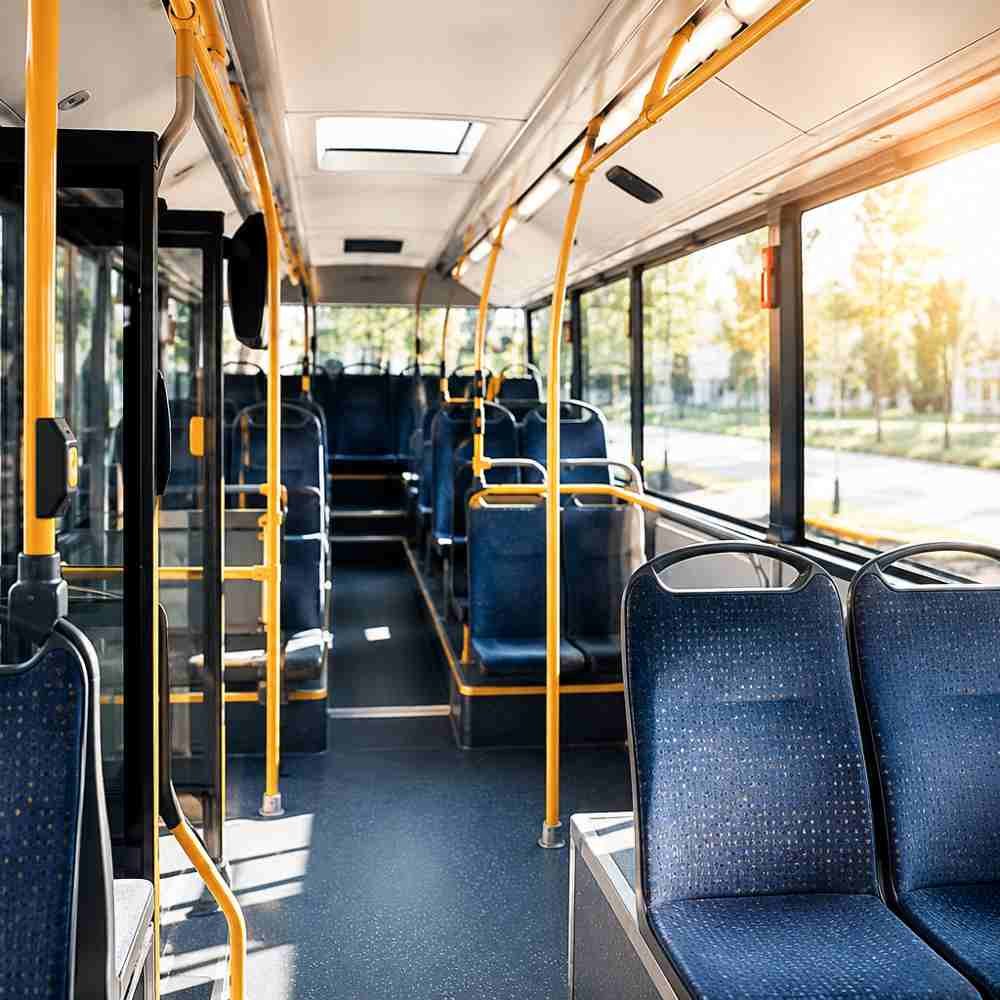
Antimicrobial Solutions in Public Transportation: Creating Safer Travel Environments
Millions of people rely on buses, subways, trains, and taxis every day. But with thousands of passengers touching the same surfaces, public transportation can easily become a hotspot for bacteria and cross-contamination.
As hygiene expectations continue to rise worldwide, antimicrobial technologies are becoming an important upgrade for modern public transportation systems. By integrating antimicrobial additives directly into plastics, coatings, and textiles, manufacturers can create cleaner, safer, and more durable travel environments for passengers.
At Langyi, we believe hygiene is no longer optional in transportation design. Antimicrobial protection is becoming a new standard for public transit materials — helping manufacturers improve product value, passenger trust, and long-term surface cleanliness.
Millions touch public transport every day — but how clean are these surfaces?
Every day, passengers touch grab rails, seat armrests, ticket machines, door buttons, and handles countless times. Even with regular cleaning schedules, these high-touch surfaces can quickly become contaminated again within minutes.
Studies have shown that bacteria, mold, and viruses can survive on public transport surfaces for hours or even days, especially in crowded urban transit systems.
![hand](https://antimicrobialadditive.com/wp-content/uploads/2026/05/hand.jpg
The Hygiene Challenge in Public Transportation
Traditional cleaning and disinfection are essential, but they only provide temporary protection. Public transportation systems operate continuously, making it difficult to maintain consistently hygienic conditions through cleaning alone.
This is why more transportation manufacturers and operators are exploring built-in antimicrobial technologies for long-term protection.
Common high-risk areas include:
| High-Touch Surface | Potential Hygiene Risks |
|---|---|
| Grab Rails & Poles | Frequent hand contact |
| Seat Armrests | Bacteria accumulation |
| Door Handles & Buttons | Cross-contamination |
| Seat Fabrics | Moisture & odor buildup |
| Ticket Machines | Heavy daily usage |
Why Integrated Antimicrobial Protection Matters
Unlike temporary disinfectant sprays, antimicrobial additives are incorporated directly into the material during manufacturing. This allows the surface itself to continuously inhibit the growth of bacteria and microbes throughout the product lifecycle.
For example, Langyi’s antimicrobial additive solutions can be integrated into:
- PP / ABS / PVC transportation plastics
- Seat fabrics and synthetic leather
- Interior decorative panels
- Handle grips and rail systems
- Coatings and polymer components
This creates long-lasting hygiene protection without affecting product appearance or mechanical performance.
From grab rails to seat covers: where do antimicrobial solutions matter most?
Not all surfaces in public transportation face the same hygiene challenges. The most critical applications are typically high-frequency contact areas and moisture-prone materials.
High-Touch Plastic Components
Grab rails, handles, buttons, and armrests are among the most frequently touched surfaces inside buses and trains. These components are often made from engineering plastics such as ABS, PP, and PVC.
By adding antimicrobial additives during manufacturing, these plastic components gain continuous antimicrobial functionality without requiring additional surface treatment.
Fabric and Synthetic Leather Applications
Seat fabrics and synthetic leather surfaces are another important focus area. These materials can trap moisture, sweat, and bacteria, leading to odor issues and microbial growth over time.
Langyi’s antimicrobial solutions for textiles and leather applications help:
- Reduce bacterial growth
- Improve odor resistance
- Extend product cleanliness
- Enhance passenger comfort
Recommended Product Solution
For transportation plastic applications, Langyi recommends:
Langyi Inorganic Antimicrobial Additives
Specially designed for durable plastic applications, Langyi provides long-lasting antimicrobial performance for transportation interiors and high-touch components.
Key Features:
- Broad-spectrum antimicrobial protection
- Excellent heat resistance
- Long-term durability
- Compatible with multiple polymers
- Suitable for injection molding and extrusion
🔗 Product Link:
AntibacMax Official Website
Are durable antimicrobial additives a smart upgrade for modern public transportation?
As public expectations for hygiene continue to increase, transportation manufacturers are seeking smarter material solutions that provide both performance and long-term value.
The answer is yes — durable antimicrobial additives are becoming an increasingly valuable upgrade for modern transportation systems.
![polymer](https://antimicrobialadditive.com/wp-content/uploads/2026/05/polymer.jpg
Built-In Protection vs Surface Coatings
Unlike surface disinfectants or antimicrobial sprays, integrated antimicrobial additives become part of the material itself.
This means the antimicrobial function:
- Does not wash away
- Remains active over time
- Continues working even after surface wear
- Requires no repeated application
| Feature | Surface Disinfectants | Integrated Antimicrobial Additives |
|---|---|---|
| Protection Duration | Temporary | Long-lasting |
| Reapplication Needed | Frequent | No |
| Surface Wear Resistance | Low | High |
| Maintenance Cost | Higher over time | Lower long-term |
| Material Integration | Surface only | Full material protection |
Long-Term Benefits for Transportation Manufacturers
For manufacturers and transportation system suppliers, antimicrobial materials can provide several competitive advantages:
- Improved product value
- Enhanced hygiene positioning
- Better passenger confidence
- Reduced odor and microbial buildup
- Support for modern smart transportation projects
As cities continue investing in cleaner and safer public infrastructure, antimicrobial materials are becoming a key differentiator in transportation product design.
Conclusion
Public transportation hygiene is no longer just about routine cleaning. Built-in antimicrobial protection offers a more durable and proactive solution for reducing microbial growth on high-touch surfaces.
From grab rails and seat fabrics to interior plastic components, antimicrobial additives help create cleaner, safer, and more reliable transportation environments for passengers worldwide.
At Langyi, we are committed to helping transportation manufacturers develop advanced antimicrobial material solutions tailored to modern public transit needs.
Ready to Upgrade Your Transportation Materials?
Our team at Langyi is ready to help you develop safer and more hygienic transportation products with advanced antimicrobial technologies.
Contact Us
- Website: https://www.antimicrobialadditive.com
- Email: qhgu@langyitech.com